
Placement, color quality, and case conditions that help avoid gray edges and uneven appearance
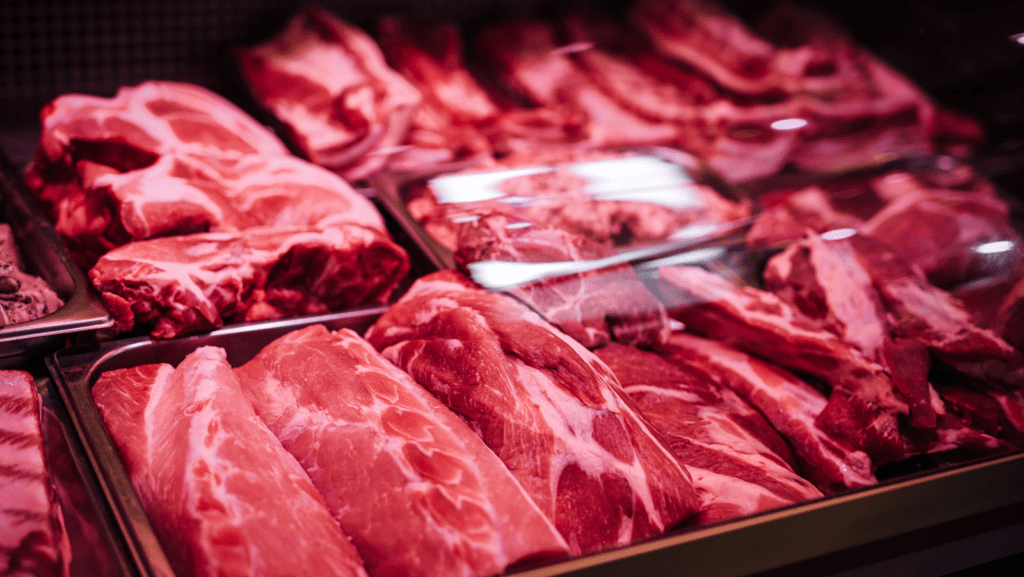
In meat merchandising, visual appeal is paramount. Customers make buying decisions within seconds, often based solely on color and appearance. Even the freshest cuts can appear unappetizing if displayed under improper lighting. Gray edges, uneven hues, or washed-out reds can reduce shopper confidence and lead to lost sales. While refrigeration maintains safety, under case lighting directly influences the perception of freshness and overall product quality.
This guide provides practical strategies for grocery store managers, butcher shops, and supermarket operators to optimize under case lighting for fresh meat displays, maintaining vibrant reds and consistent appearance.
Why Lighting Matters for Fresh Meat
Lighting affects both visual perception and the chemical stability of meats:
Customers make purchasing decisions largely based on appearance. Bright, appealing colors signal freshness, while dull or uneven tones can create doubts about quality even if the product is safe to eat.
- Oxidation Control: Certain light wavelengths accelerate myoglobin oxidation, causing browning or gray edges.
- Moisture Retention: Excess heat from improperly placed lights can dry the surface of meats, altering texture and appearance.
- Color Consistency: Uneven illumination can make the front row look different from rear shelves, confusing customers and reducing perceived freshness.
Proper lighting, coupled with stable refrigeration, supports product longevity while enhancing shopper confidence.
Key Factors in Under Case Lighting
Spectrum and Color Quality
- Balanced Spectrum Lighting: Choose LED lighting that emphasizes red hues without exaggerating or washing them out.
- Food-Safe LEDs: Minimize wavelengths that accelerate oxidation or degrade fats in meat.
- CPI: Higher CPI ratings ensure that cuts retain natural color under display conditions.
By prioritizing color accuracy, retailers can showcase meats that look as fresh as they are.
Placement Considerations
- Front Row Illumination: Shoppers see the first row first; ensure it receives adequate light without overheating the product.
- Even Coverage Across Shelves: Rear shelves must receive balanced lighting to prevent visual inconsistency.
- Avoid Glare: Position lights to minimize reflections on case glass, which can distort color and obscure labels.
Proper placement ensures every cut is presented at its best, reducing the need for frequent repositioning.
Case Conditions and Environment
- Temperature Control: Maintain consistent refrigeration to slow oxidation and prevent gray edges.
- Airflow Management: Even airflow reduces surface drying, helping maintain natural color and texture.
- Humidity Levels: Appropriate humidity prevents excessive moisture loss from meat surfaces.
Combining controlled environmental factors with optimized lighting extends shelf life while preserving appearance.
Operational Best Practices
Retailers can implement several simple strategies alongside improved lighting:
- Front-to-Back Rotation: Rotate cuts regularly so that all items receive equal exposure, minimizing uneven oxidation.
- Night Covers: Use covers after hours to maintain temperature consistency and reduce overnight color degradation.
- Regular Inspection: Monitor product appearance multiple times per day to detect early signs of discoloration or drying.
- Staff Training: Train personnel to handle lighting-sensitive products properly and maintain consistent display practices.
These operational adjustments enhance the effectiveness of under case lighting and reduce product shrink.
Checklist for Fresh Meat Under Case Lighting
Before investing in or adjusting lighting, review the following considerations:
- Select a balanced spectrum LED designed for red meat preservation.
- Confirm CPI values ensure natural color reproduction.
- Position lights to illuminate both front and rear shelves evenly.
- Avoid glare and reflections that distort product appearance.
- Maintain consistent refrigeration, airflow, and humidity.
- Implement rotation, inspection, and night cover protocols.
Following this checklist ensures fresh meat appears appealing and reduces losses from visual deterioration.
Benefits of Optimized Lighting
Proper under case lighting offers measurable operational and financial benefits:
Reduced Shrink: Minimizes discarded cuts due to color or surface issues.
Higher Sales: Vibrant, appealing displays encourage purchases.
Operational Efficiency: Less frequent product rearrangement saves staff time.
Customer Trust: Consistently fresh-looking products reinforce store credibility and brand loyalty.
Retailers who prioritize under case lighting often see both short-term sales increases and long-term operational savings.
Conclusion
Lighting is a critical, yet often overlooked, factor in fresh meat merchandising. Gray edges, uneven hues, or washed-out reds can create negative perceptions, even for high-quality cuts. By implementing balanced spectrum, food-safe LED lighting, and combining it with proper placement, temperature control, and operational best practices, grocery stores and butcher shops can preserve visual appeal, reduce shrink, and enhance customer satisfaction
Investing in optimized under-cased lighting is not only a matter of aesthetics, it is a strategic operational decision that directly impacts profitability and brand reputation.
For professional guidance and high-quality lighting solutions designed specifically for fresh meat merchandising, visit www.merchandising-food-stores.com and explore products that help maintain natural reds, reduce shrink, and support operational efficiency.