
Why dairy reacts quickly and what to do in open multi-decks and glass-door cases
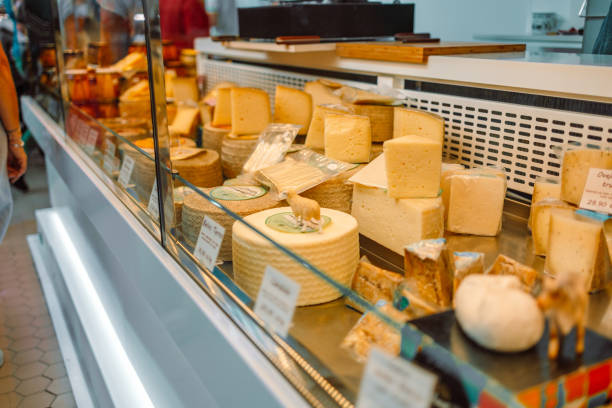
Dairy products are among the most sensitive perishable items in grocery stores. Milk, cheese, and butter react quickly to temperature fluctuations, light exposure, and case airflow. While refrigeration remains the cornerstone of dairy preservation, lighting is an often-overlooked factor that directly affects product quality, shelf life, and customer perception. Using the wrong lights can accelerate discoloration, flavor degradation, and nutrient loss, increasing waste and operational costs.
This guide highlights practical strategies for protecting dairy products from harmful lights while optimizing display appeal.
Why Dairy Products Are Sensitive to Light
Milk, butter, and cheese contain fats, proteins, and pigments that are highly reactive to light, particularly in the ultraviolet and blue wavelength ranges. Exposure can result in:
- Flavor degradation: Light can oxidize milk fats, producing off-flavors described as “light-induced” or “cardboard-like.”
- Color changes: Butter may fade from deep yellow to pale, cheeses can develop uneven coloration, and milk may appear slightly dull.
- Nutrient loss: Vitamins A, D, and B2 are particularly sensitive to light, and their deterioration can occur within hours in poorly lit cases.
Even short-term exposure during the day can significantly reduce visual and nutritional quality, making lighting decisions critical for dairy merchandising.
The Role of CPI in Dairy Case Lighting
Choosing lighting with a high Color Performance Index (CPI) ensures that dairy products appear natural and vibrant under store lights. CPI measures how accurately a light source renders colors compared to natural daylight. For dairy displays, high CPI lighting:
- Preserves the yellow tone of butter without oversaturating it.
- Maintains the natural off-white or cream colors of cheeses.
- Ensures milk cartons and packaging appear true-to-label, avoiding visual confusion for shoppers.
When selecting lighting, buyers should evaluate how milk, butter, and cheeses look under the fixture rather than judging only by brightness. A balanced CPI rating prevents exaggerated or washed-out tones, maintaining both appeal and trust.
Placement Strategies for Dairy Cases
The positioning of lights in open multi-decks or glass-door cases directly impacts product stability:
- Top lighting: Provides overall illumination but can create hotspots if too close to the product. Distance and beam angle should be calibrated to reduce direct exposure.
- Shelf-mounted lighting: Ideal for multi-deck cases, offering even coverage across rows without excessive intensity.
- Vertical corner lighting: Helps minimize shadows on taller items but must be angled to prevent direct glare on sensitive fats and proteins.
Retailers should test lighting from multiple customer viewpoints to ensure milk, butter, and cheese are visually appealing across the entire display.
Temperature and Lighting Interactions
Lighting is not just about color it also affects case temperature. Even LED lights can contribute minor heat, which combined with poor airflow, accelerates spoilage. Best practices include:
- Using low-heat, food-safe lighting designed for dairy cases.
- Ensuring even case airflow to dissipate any heat from light fixtures.
- Monitoring temperatures at shelf level, not just at the compressor, to detect microclimate variations that affect milk and cheese quality.
- A well-designed lighting and airflow combination slows flavor loss, maintains natural coloration, and prolongs shelf life.
Practical Steps to Limit Dairy Quality Loss
- Switch to high-CPI lights: Prioritize lighting that preserves true product colors while reducing harmful wavelengths.
- Avoid direct glare: -Position lights to illuminate products without shining directly on sensitive fats and proteins.
- Use diffusers if needed: Softens intensity and distributes light evenly across the case.
- Limit exposure time: Keep doors closed on glass-door cases when not in use and avoid unnecessary lighting during off-hours.
- Regularly rotate stock: Front-facing rotation ensures older products are sold first, reducing the time any item is exposed to light.
These operational adjustments, combined with proper lighting selection, reduce waste and maintain a high-quality shopping experience.
Training Staff on Light-Sensitive Products
Employees play a crucial role in minimizing light-related spoilage:
- Educate staff on the visible signs of light-induced degradation, such as pale butter or dull cheese surfaces.
- Encourage consistent adherence to case door management and product rotation protocols.
- Train staff to report lighting issues, such as bulbs that are too bright or misaligned fixtures.
- Well-informed teams ensure that dairy displays remain visually attractive and safe for longer periods.
Economic Benefits of Proper Dairy Case Lighting
Implementing optimized lighting for dairy products results in measurable financial advantages:
- Reduced product shrink: Minimizing color and flavor loss means fewer discarded items and lower waste.
- Labor efficiency: Less spoilage reduces time spent removing damaged products or cleaning cases.
- Energy savings: Proper LED placement and intensity prevent unnecessary heat, decreasing refrigeration load.
- Customer trust and repeat purchases: Fresh-looking products reinforce shopper confidence and brand reputation.
Even modest improvements in light management can lead to significant operational savings across multiple store locations.
Conclusion
Dairy products are highly sensitive to light exposure, and improper lighting accelerates discoloration, off-flavors, and nutrient loss. By selecting high-CPI, low-heat lighting and following best practices in placement, airflow, and staff handling, retailers can preserve milk, butter, and cheese for longer, reducing waste and protecting product appeal.
Investing in proper dairy display lighting is not just about aesthetics.it is a financial and operational strategy that enhances profitability, shopper trust, and overall store performance.
For grocery retailers looking to optimize dairy displays with food-safe lighting solutions, visit www.merchandising-food-stores.com to explore tailored options and guidance for all refrigerated case types