
Practical placement tips so fish looks clean and fresh without harsh reflections
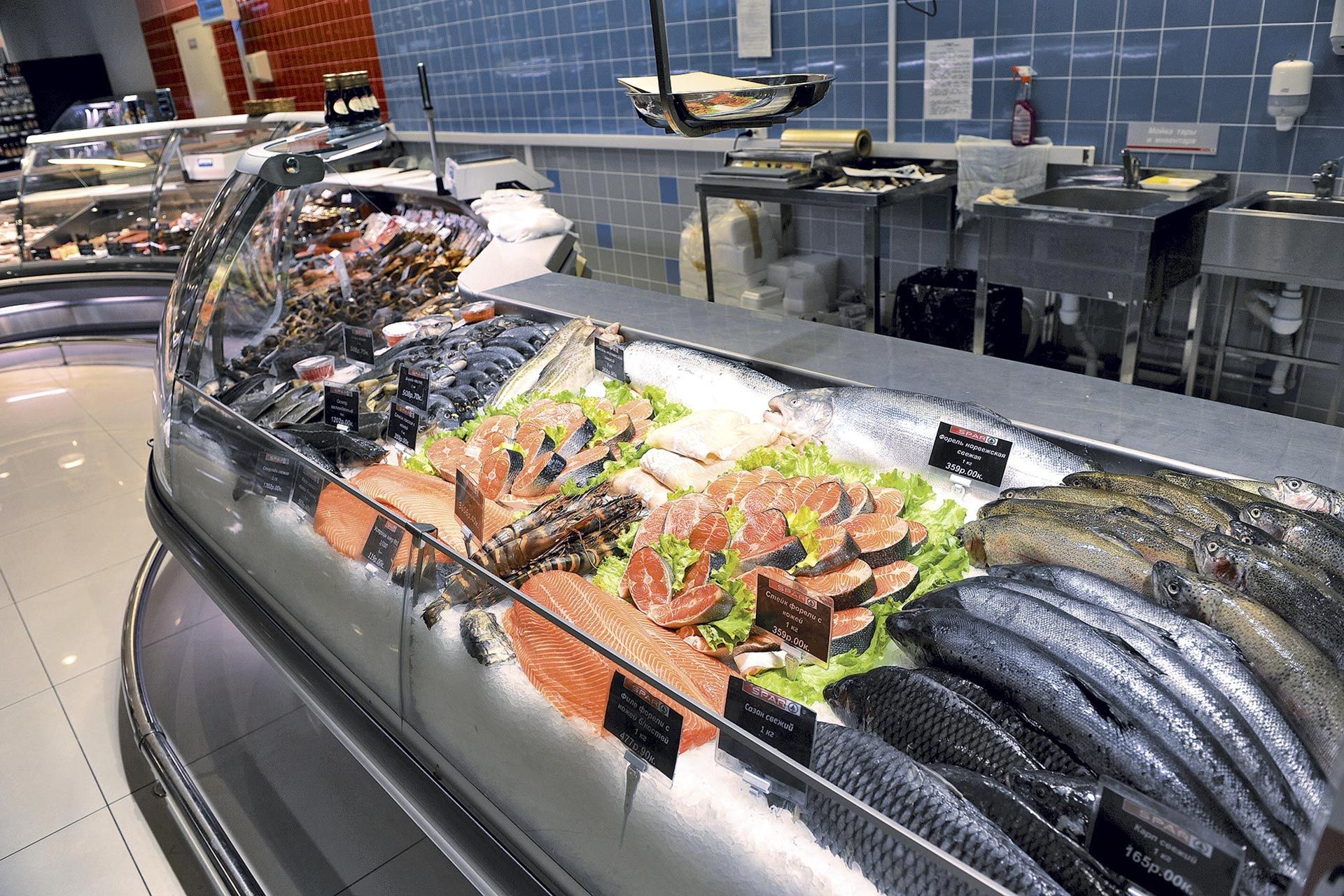
Seafood merchandising is uniquely challenging. Shoppers judge freshness based on color, clarity, and visual cleanliness. Ice beds, wet surfaces, and reflective glass can create glare, distort product appearance, and hide labels if lighting is not optimized. Even the freshest fish or shellfish may appear unappealing under harsh reflections or uneven illumination, impacting sales and increasing shrink.
Optimizing display lighting for seafood requires careful attention to placement, spectrum, and environmental conditions. Proper lighting enhances visual appeal, preserves natural colors, and supports operational efficiency in retail seafood displays.
Why Glare Is a Problem in Seafood Displays
Glare occurs when light reflects off wet surfaces, ice, or glass at angles that interfere with visibility. It can cause several issues:
- Visual distortion: Shoppers cannot clearly see product color, size, or texture.
- Reduced trust:Fish that appears murky or unevenly lit may seem less fresh.
- Pricing and product information can become difficult to read.
Controlling glare ensures that seafood looks clean, vibrant, and appetizing, encouraging customer confidence and purchase.
Key Considerations for Seafood Display Lighting
Light Spectrum and Color Accuracy
- Balanced Spectrum LEDs: Choose lighting that highlights natural reds, pinks, and silvers without exaggerating or washing out tones.
- Food-Safe Spectrum: Avoid wavelengths that accelerate oxidation or color degradation of seafood.
- CRI Ratings:High color rendering ensures that fish and shellfish maintain true appearance under case lighting.
Accurate color reproduction is essential, particularly for delicate products like salmon, tuna, and shrimp.
Placement Strategies to Reduce Glare
- Top-Down Lighting:Angled lighting from above minimizes reflections off ice and water surfaces.
- Avoid Direct Overhead Beams:Direct lighting onto wet surfaces can produce hotspots and distract from product clarity.
- Side and Corner Lighting:Supplement top lighting with carefully positioned side fixtures to reduce shadows without increasing glare.
- Lens Selection:Use diffusers or narrow beam angles to control intensity and direct light precisely onto the product face.
Proper placement ensures consistent illumination while preserving the natural appearance of seafood.
Environmental and Case Considerations
- Ice Beds:Regularly replenish ice to maintain reflective clarity and product stability.
- Surface Moisture: Controlled hydration helps seafood retain shine without excessive water pooling that increases glare.
- Case Glass and Angles: Maintain clean glass surfaces and consider anti-reflective coatings to improve visibility.
- Temperature Stability: Keep consistent refrigeration to prevent color and texture changes that can compound glare issues.
A combination of lighting and environmental management preserves product appeal throughout the display period.
Operational Best Practices
Retailers can implement several practical steps to maximize seafood display effectiveness:
- Adjust Lighting by Species: Some fish reflect light differently; adjust placement and intensity for each type.
- Monitor Reflections from Multiple Angles: Walk through the customer sightlines to identify potential glare hotspots.
- Train Staff on Handling and Ice Placement:Correct product arrangement reduces shadows and enhances even lighting.
- Regular Maintenance:Clean lenses, diffusers, and case glass to maintain optimal lighting performance.
These operational practices complement technical lighting strategies, reducing shrink and improving the shopping experience.
Checklist for Seafood Display Lighting
Before finalizing display lighting adjustments, review the following:
- Use balanced spectrum, food-safe LEDs designed for seafood.
- Confirm CRI values for accurate color rendering.
- Position lights at top, side, or corner angles to minimize reflections.
- Avoid direct beams onto wet surfaces that produce glare.
- Maintain ice beds and surface moisture for clarity and freshness.
- Keep display glass clean and consider anti-reflective options.
- Monitor refrigeration and environmental conditions consistently.
- Train staff on rotation, product placement, and lighting adjustments.
Following this checklist helps maintain visually appealing seafood that encourages purchases and reduces waste.
Benefits of Optimized Lighting
Properly designed and placed seafood lighting offers measurable advantages:
- Enhanced Freshness Perception:Customers perceive products as cleaner and higher quality.
- Reduced Shrink:Fewer returns or discarded items due to unappealing appearance.
- Operational Efficiency:Staff spend less time rearranging products to compensate for glare.
- Customer Confidence:Consistent, attractive displays reinforce trust in store quality and brand reputation.
Optimized lighting directly contributes to improved sales and reduced operational costs.
Conclusion
Seafood displays are among the most challenging in retail merchandising. Ice, wet surfaces, and reflective glass can create glare that undermines visual appeal, even when products are fresh. By carefully selecting balanced spectrum, food-safe lighting, and strategically placing fixtures, retailers can present seafood that looks clean, vibrant, and appealing to customers.
Combining optimal lighting with environmental controls, staff training, and maintenance ensures consistent product quality, reduces shrink, and enhances shopper confidence.
For professional guidance and lighting solutions designed specifically for seafood display cases, visit www.merchandising-food-stores.com and explore products that help maintain clarity, color, and customer satisfaction