
Introduction
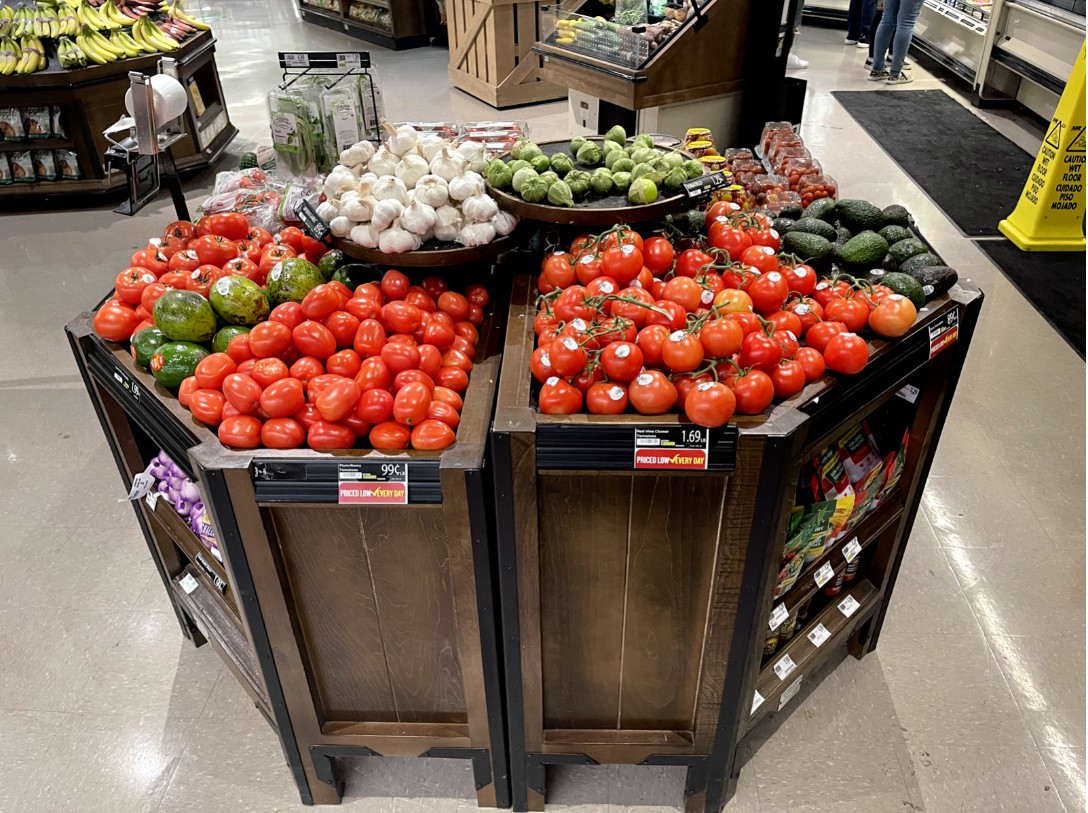
In grocery retail environments, freshness perception plays a major role in purchase decisions. However, shoppers often rely heavily on what they see in the display rather than the actual quality of the product. This visual judgment can be misleading and leads to inaccurate assumptions about freshness.
Even when products are stored under proper conditions, display appearance can distort customer perception and weaken the effectiveness of food merchandising strategies. This disconnect between real quality and perceived freshness is a major challenge in grocery store merchandising, especially in competitive fresh food sections.
1. How Visual Cues Override Actual Quality
Customers rarely have access to internal product conditions, so they depend on external visual signals. These include color, arrangement, lighting, and packaging condition.
Shoppers often assume:
- Bright colors mean higher freshness
- Neatly arranged shelves indicate better quality
- Attractive lighting guarantees product safety
- Clean displays reflect superior handling
These assumptions strongly influence customer perception food freshness, even when actual storage conditions are properly maintained.
2. The Role of Display Presentation in Misjudgment
Display design plays a major role in shaping customer interpretation. A well-organized display can enhance perceived freshness, while a poorly designed one can reduce trust.
Key issues include:
- Overcrowded shelving
- Uneven product spacing
- Inconsistent labeling
- Poor visual balance
These problems reduce the effectiveness of retail food display optimization, leading shoppers to misinterpret product condition.
3. Lighting and Its Psychological Effect
Lighting is one of the strongest factors influencing freshness perception. Brighter displays often appear fresher, even if product quality is identical.
However, excessive or uneven lighting can also:
- Create misleading color enhancement
- Mask early signs of spoilage
- Distract from real product condition
- Distort visual texture of food items
This directly affects visual merchandising grocery store performance, where lighting is used as a key sales tool.
4. Packaging and Surface Appearance Bias
Packaging condition significantly influences customer judgment. Small visual imperfections can reduce perceived freshness.
Shoppers often react negatively to:
- Slight condensation or moisture
- Wrinkled packaging
- Minor discoloration
- Uneven stacking
These visual signals often override actual freshness, weakening improve customer buying decisions retail effectiveness in store environments.
5. Why Layout Affects Freshness Perception
Store layout determines how customers interact with products. Poor layout design can lead to incorrect assumptions about quality.
Common layout issues include:
- Fresh products placed near lower-traffic zones
- Lack of separation between product categories
- Confusing shelf organization
- Poor visibility of high-quality items
These issues reduce efficiency in optimize grocery store layout planning and impact decision-making accuracy.
6. Psychological Bias in Shopper Behavior
Customer decisions are influenced by cognitive shortcuts. Instead of evaluating actual quality, shoppers rely on quick judgments.
This behavior includes:
- Assuming newer-looking displays are fresher
- Associating order with quality control
- Judging freshness based on color intensity
- Preferring visually prominent products
These patterns are part of broader shopper behavior grocery store dynamics that retailers must understand to improve performance.
7. Impact on Sales and Product Movement
Misjudgment of freshness directly affects sales performance. Products that appear less attractive may remain unsold even when fully fresh.
This leads to:
- Reduced improve fresh food sales
- Lower increase grocery store sales performance
- Increased product waste
- Missed opportunities for impulse buying food retail
Even well-managed inventory can underperform due to perception errors.
8. Execution Gaps in Display Standards
Retail execution plays a key role in shaping perception. Inconsistent display practices can worsen misjudgment.
Common grocery store execution gaps include:
- Uneven shelf replenishment
- Poor rotation of fresh stock
- Lack of standardized display guidelines
- Inconsistent product positioning
These issues weaken retail merchandising standards and reduce trust in store quality.
9. Importance of Structured Merchandising Strategy
To reduce misjudgment, retailers must focus on structured presentation and consistency.
Effective supermarket merchandising techniques include:
- Uniform product arrangement
- Clear category separation
- Controlled lighting balance
- Standardized shelf presentation
These improvements strengthen retail conversion optimization grocery, ensuring that visual perception aligns more closely with actual product quality.
10. Aligning Display Conditions with Real Freshness
The goal of modern retail is to align perception with reality. This requires consistent execution across all display elements.
Best practices include:
- Maintaining consistent visual standards
- Using structured food display best practices
- Ensuring uniform shelf conditions
- Training staff on visual quality control
These strategies support stronger retail merchandising solutions and improve overall customer trust.
Conclusion
Shoppers often misjudge freshness based solely on display conditions because visual cues strongly influence perception. Lighting, layout, packaging, and presentation all shape how customers interpret quality, even when actual product conditions remain unchanged.
By improving structure, consistency, and merchandising execution, retailers can reduce misjudgment and ensure that perceived freshness more accurately reflects real product quality.
For More Information
For more insights on advanced merchandising systems and retail display optimization, visit www.merchandising-food-stores.com The platform provides professional solutions designed to improve store performance, enhance visual presentation, and increase retail conversion effectiveness.