
Introduction
1. Stock Levels Do Not Equal Visual Effectiveness
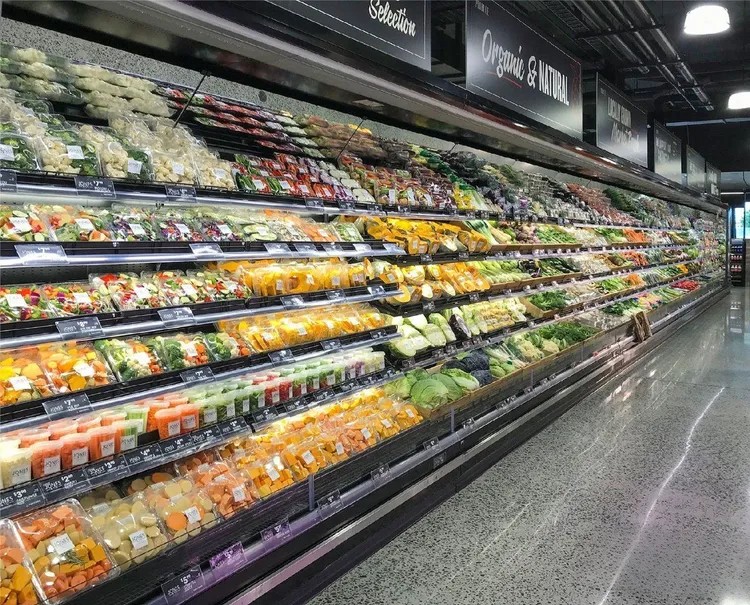
A fully stocked shelf may appear attractive at first glance, but excess quantity without structure can reduce product appeal.
Common problems include:
- Overcrowded shelving that reduces clarity
- Lack of product hierarchy
- No visual focal point for key items
- Random product placement
These issues weaken retail food display optimization, because customers cannot easily identify what is important or worth buying.
2. Poor Visual Structure Reduces Attention
Customers do not process all available information in a display. They rely on structure to guide their attention.
When structure is missing:
- Products blend into one another
- Premium items lose visibility
- Shoppers spend less time engaging
- Decision-making becomes slower or avoided
This directly impacts visual merchandising grocery store effectiveness, even when shelves are fully stocked.
3. Misalignment with Shopper Decision Patterns
Shoppers follow predictable decision patterns. They scan quickly, look for cues, and make rapid judgments.
If a display does not match these patterns:
- Customers skip over sections entirely
- Attention is not captured at the right moment
- Purchase intent weakens
- Engagement drops significantly
This reduces the effectiveness of improve customer buying decisions retail, especially in high-traffic zones.
4. Overstocking Creates Cognitive Overload
More products do not always improve performance. In fact, excessive variety can overwhelm customers.
This leads to:
- Decision fatigue
- Reduced ability to compare products
- Increased hesitation
- Preference for familiar brands only
As a result, even well-stocked areas fail to generate increase conversion rate retail store improvements.
5. Lack of Emotional and Visual Triggers
Sales are not driven by availability alone. Emotional and visual cues play a major role in purchase decisions.
When displays lack impact:
- Customers do not feel urgency
- Products appear interchangeable
- No clear “must-buy” signal is present
- Engagement remains passive
This weakens impulse buying food retail opportunities significantly.
6. Execution Gaps in Store-Level Implementation
Even with proper planning, execution at store level often fails to deliver expected results.
Common grocery store execution gaps include:
- Inconsistent shelf replenishment
- Poor alignment of promotional items
- Lack of visual standards across aisles
- Misplaced or under-highlighted products
These gaps reduce compliance with retail merchandising standards, affecting overall store performance.
7. Poor Layout Reduces Conversion Efficiency
Store layout plays a critical role in converting visibility into sales. If layout is inefficient, even well-stocked displays underperform.
Issues include:
- Poor optimize grocery store layout planning
- Weak product flow across categories
- Fresh items placed in low-visibility zones
- Ineffective aisle design
These problems reduce retail conversion optimization grocery outcomes and limit customer interaction with products.
8. Weak Product Positioning and Sales Impact
Product placement determines whether customers notice, trust, and select items.
Poor positioning results in:
- Low engagement with high-value products
- Reduced increase grocery store sales potential
- Missed opportunities for cross-selling
- Lower improve fresh food sales performance
Even high-quality products fail to perform without strategic placement.
9. Importance of Merchandising Strategy Over Stocking
Retail success depends more on strategy than volume. Effective displays require planning, not just replenishment.
Strong supermarket merchandising techniques focus on:
- Clear product grouping
- Strategic shelf zoning
- Highlighting priority items
- Reducing unnecessary clutter
These methods improve retail merchandising solutions and ensure better conversion rates.
10. Need for Consistent Display Standards
Consistency across displays builds trust and improves shopper confidence. Inconsistent presentation reduces perceived quality.
Retailers must ensure:
- Uniform shelf organization
- Standardized presentation formats
- Clear category separation
- Ongoing display evaluation
These practices support food display best practices and enhance overall shopping experience.
Conclusion
Well-stocked displays fail to convert into sales when they lack structure, clarity, and strategic merchandising execution. Stock availability alone is not enough to influence shopper behavior. Without strong food merchandising strategies, even full shelves can be ignored.
To improve performance, retailers must focus on layout design, visual hierarchy, and consistent execution that aligns with shopper decision-making patterns.
For More Information
For more insights on advanced merchandising systems and retail display optimization, visit https://www.merchandising-food-stores.com. The platform provides professional solutions designed to improve store performance, enhance visual presentation, and increase retail conversion effectiveness.