
How lighting choice and case settings work together to slow wilted-looking displays
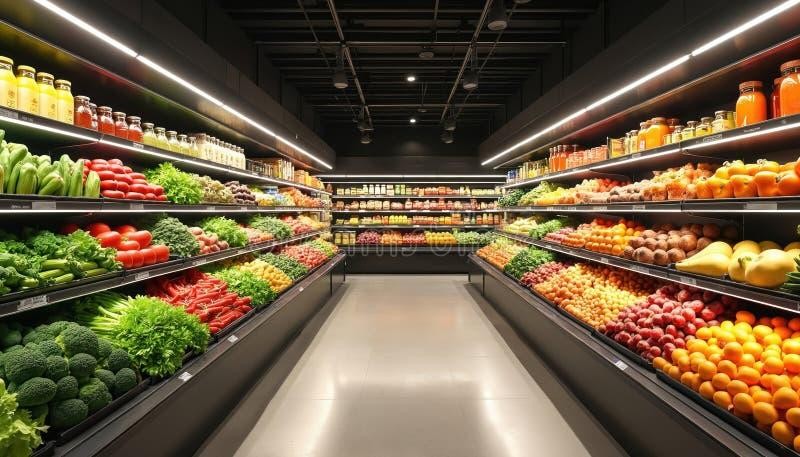
Fresh produce is a visual anchor in grocery stores, drawing shoppers’ attention and influencing purchasing decisions. Leafy greens, berries, and other perishable fruits and vegetables are particularly sensitive to light exposure, airflow, and humidity. Even a single day under suboptimal lighting can make fresh greens look wilted and berries appear dull, reducing appeal and increasing waste.
Retailers who understand how lighting interacts with produce quality can extend display life, preserve natural color, and enhance customer perception. This guide provides practical strategies for selecting and managing display lighting to maintain freshness and vibrancy on day two and beyond.
Why Lighting Matters for Produce
Produce is highly reactive to light, temperature, and airflow:
- Color retention: Unbalanced lighting can fade chlorophyll in greens and diminish berry pigmentation, making items look less fresh.
- Moisture management: Strong or improperly angled lights can accelerate water loss from leaves and fruits, causing wilt or shriveling.
- Perceived freshness: Shoppers often equate vibrant color with taste and quality, so even slight fading can reduce sales.
A lighting system that considers both spectrum and intensity can slow degradation and maintain a visually appealing display longer.
Balanced Spectrum for True Produce Color
Using lighting with a balanced spectrum ensures that produce colors appear natural and consistent:
- Greens retain their vivid hue without yellowing or brown edges.
- Red, blue, and purple berries display full richness without appearing washed out.
- Multi-component displays, like mixed salad kits, maintain individual color identity.
Lights with a poor spectrum or excessive blue/red bias may accelerate pigment breakdown, leading to premature dulling. Choosing a system with high CPI (Color Performance Index) supports accurate color rendering and extends perceived freshness.
Placement Strategies to Reduce Shadows and Hotspots
Top-mounted lights: Even the best lights can fail if not positioned correctly:
- Top-mounted lights: Provide broad illumination but should be angled to avoid intense hotspots that dehydrate sensitive produce.
- Shelf lighting: Ideal for multi-deck cases, helping maintain consistent brightness across all levels.
- Corners and side rails: Reduce shadowing on dense displays, ensuring every item is equally visible.
Retailers should check displays from multiple customer perspectives to confirm uniform light exposure across the case.
Temperature and Humidity Management
Lighting interacts closely with case climate:
- Low-heat, food-safe lighting prevents additional heat stress on leafy greens and berries.
- Even airflow distributes temperature and humidity evenly, reducing moisture loss from leaves or fruit skins.
- Closed or semi-enclosed cases help maintain humidity levels while still providing visibility for customers.
Consistent environmental control combined with optimal lighting slows visual deterioration and preserves texture.
Practical Operational Steps for Retail Staff
To maximize produce shelf life and appearance:
- Select the right lighting spectrum: High CPI, low-heat LEDs protect color and slow degradation.
- Adjust intensity and angle: Avoid shining directly on delicate leaves or soft berries.
- Monitor humidity: Ensure moisture levels are adequate to maintain crispness.
- Rotate displays daily: Older stock should be sold first to avoid overexposure.
- Limit unnecessary door openings: Maintain steady temperature and reduce exposure to ambient light.
These steps complement proper lighting choices to keep greens and berries visually appealing on day two.
Department-Specific Considerations
Different produce types have unique sensitivities:
- Leafy greens: Highly prone to wilting; soft, diffused lighting and consistent humidity are critical.
- Berries: Pigmentation fades quickly under high-intensity or unbalanced light; careful spectrum selection is key.
- Herbs and microgreens: Small, delicate leaves respond poorly to hotspots; placement and light distance matter.
- Mixed salad kits: Color variety requires evenly distributed light to prevent uneven fading.
Understanding these variations allows staff to adjust lighting, airflow, and rotation for optimal results.
Economic and Operational Benefits
Proper lighting and produce handling result in tangible benefits:
- Reduced waste: Maintaining visual appeal decreases discard rates.
- Labor efficiency: Less frequent replacement or removal of wilted items reduces staff workload.
- Customer satisfaction: Fresh-looking produce encourages repeat purchases and builds trust.
- Energy savings: Low-heat LEDs reduce refrigeration strain, lowering overall utility costs.
Small improvements in lighting and case management translate into significant operational savings across multiple departments and locations.
Conclusion
Produce case lighting is a critical factor in maintaining freshness perception and minimizing waste. By selecting balanced-spectrum, high-CPI lighting, positioning fixtures correctly, managing airflow and humidity, and training staff in proper rotation and handling, retailers can reduce dull color on day two and beyond.
Investing in optimized lighting solutions supports both operational efficiency and customer confidence, ensuring shoppers encounter vibrant, appealing produce every visit. For practical, food-safe lighting solutions tailored for produce displays, visit www.merchandising-food-stores.com and discover how proper illumination can enhance product appearance and reduce shrink